



Botox® in Buckhead, Cumming and Dawsonville
Botox smooths expression lines and, for many patients, eases the muscle tension behind clenching and TMJ-related jaw discomfort, in a quick in-office visit with Dr. Arshia Payman.
What is Botox, and how does it work?
Botox is a purified protein injected in small amounts to temporarily relax a targeted muscle. Relaxing the muscles that crease the skin softens frown lines, forehead lines and crow's feet. Placed in the muscles of the jaw instead, the same injection eases clenching and the tension behind TMJ discomfort.
If you have ever wondered why a friend calls Botox a wrinkle treatment while someone else calls it a jaw treatment, that is the whole explanation. The dose, the placement and the goal change. The injection does not. Dr. Arshia Payman sorts out which version applies to you at a free consultation.
Botox at ANEWU is used two different ways.
The cosmetic use is the familiar one. Small amounts placed in the muscles that crease the forehead, the space between the brows and the outer corners of the eyes let those muscles rest, and the lines above them soften over the following days.
The second use is muscular rather than cosmetic. Placed in the jaw, Botox eases the clenching and overactivity that drive jaw fatigue, morning soreness and tension across the temples. Some patients treat both at once, and some pair Botox with dermal fillers when volume, not movement, turns out to be the real issue.
Neither use is permanent, which is why an area treated conservatively can always be adjusted at the next visit.
Am I a candidate for Botox?
Most healthy adults who want to soften expression lines, or who clench and grind, are candidates for Botox. Dr. Arshia Payman reviews your goals, your symptoms and your health history at a free consultation in Buckhead, Cumming or Dawsonville before recommending anything. Botox is not used during pregnancy or while nursing.
- You would like to soften frown lines, forehead lines or crow's feet without surgery.
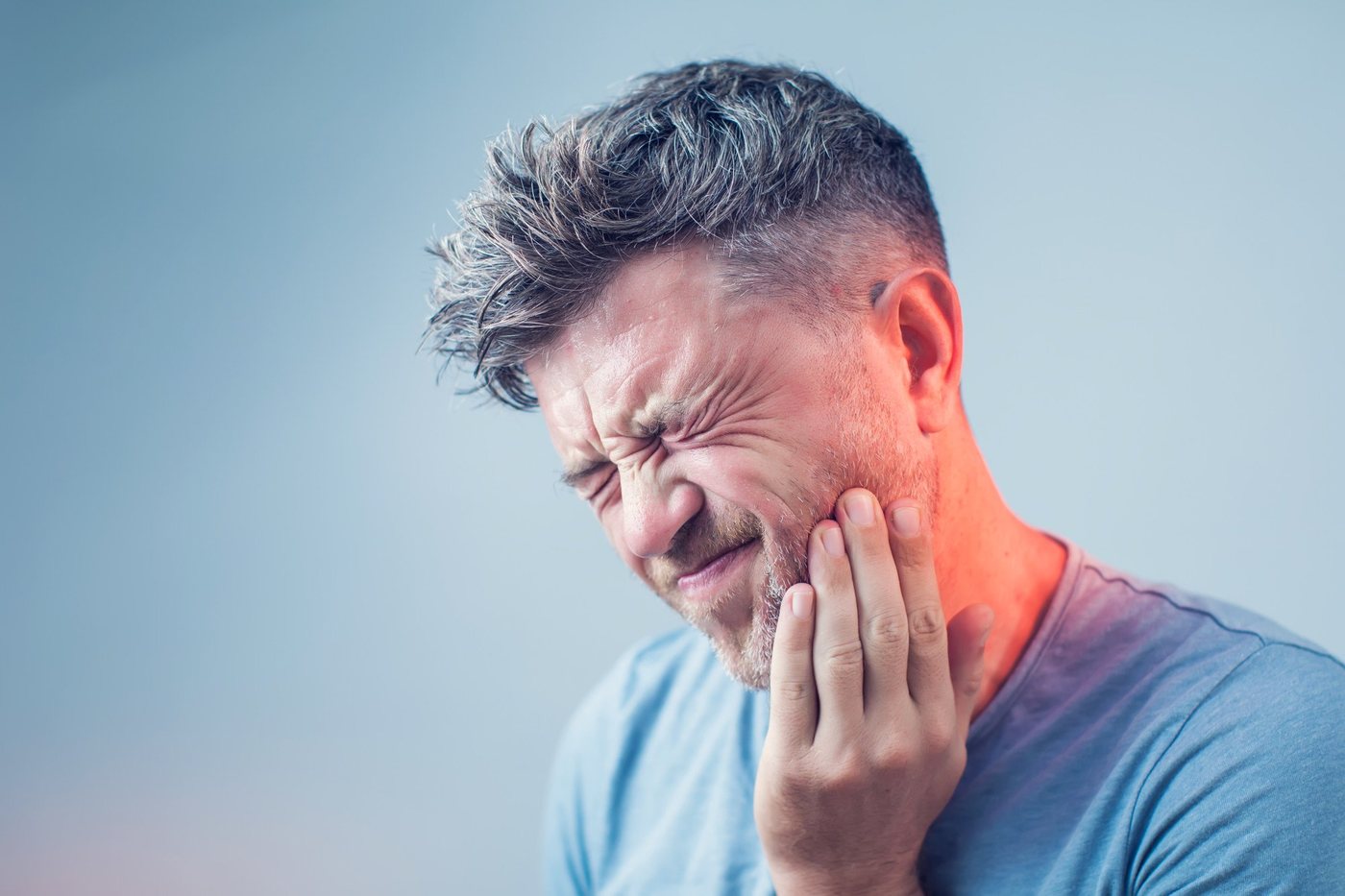
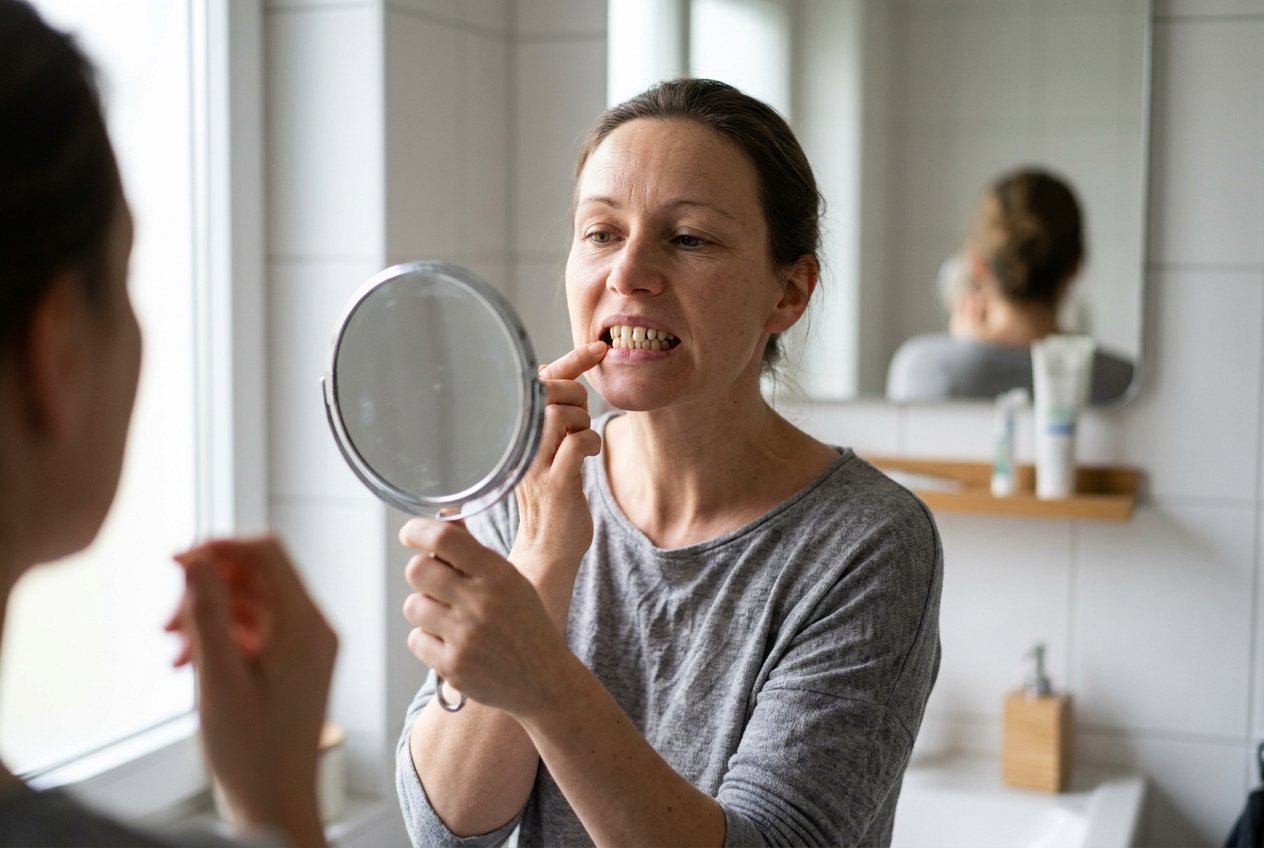
- You deal with jaw clenching, grinding or TMJ-related tension and headaches.
- You are curious about a subtle lip flip as a lighter alternative to filler.
- You want a quick, in-office treatment with no real downtime.
- You are ready to talk through your health history at a free consultation.
If you have ever wondered whether you are too young or too late for Botox, neither is really the question. What matters is whether the line that bothers you is caused by movement.

Can Botox help with TMJ and jaw clenching?
Yes. The same injection used cosmetically can be placed in the muscles of the jaw, where it eases the clenching and overactivity behind TMJ-related tension. Patients who come in for jaw fatigue, morning soreness or tension across the temples often start here. Dr. Payman will confirm whether your symptoms fit this approach.
Jaw symptoms that often lead patients here
Patients rarely arrive naming a muscle. They arrive describing a pattern, and the pattern is what points toward treatment.
- Waking with a sore or tired jaw.
- Catching yourself clenching during the day.
- Tension across the temples by the afternoon.
- A jaw that feels fatigued after a long meal or a long conversation.
When jaw tension needs a fuller plan
Botox addresses the muscle. It does not address everything that can go wrong in a joint, and some jaws need more than a muscle treatment. When the pattern points past muscle overactivity, the right starting point is TMJ and TMD treatment, where the joint itself is evaluated first.
That is also why the consultation is not a sales conversation. If your symptoms suggest something other than clenching, Dr. Payman will say so rather than treat around it.
Botox and dermal fillers do two different jobs.
The quickest way to tell them apart is to notice whether the line is there when your face is still.
| Consideration | Botox | Dermal fillers |
|---|---|---|
| What it treats | Dynamic lines caused by muscle movement, and jaw muscle tension | Volume loss and static lines or hollows |
| How it works | Temporarily relaxes targeted muscles | Adds volume beneath the skin |
| Typical duration | A few months per treatment | Varies by area and product, often longer |
| Commonly used for | Forehead lines, frown lines, crow's feet, jaw tension | Cheeks, lips, under-eye hollows, nasolabial folds |
| Can they be combined | Often, yes. Many plans use both, in a sequence Dr. Payman maps out at the consultation. | |
What happens during a Botox appointment?
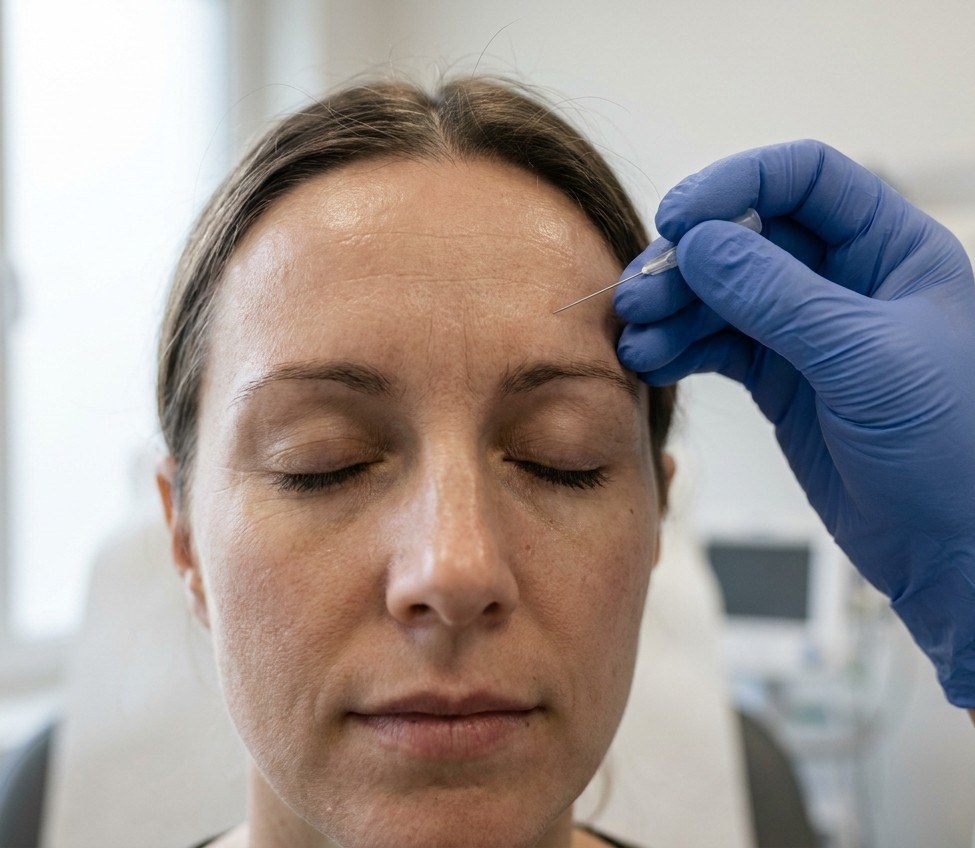
A Botox visit at ANEWU takes about 15 to 20 minutes. Dr. Payman reviews where the muscles move, cleans the skin and places a series of small injections with a fine needle. There is no anesthesia and no real downtime, so most patients go straight back to work or errands.
Your free consultation
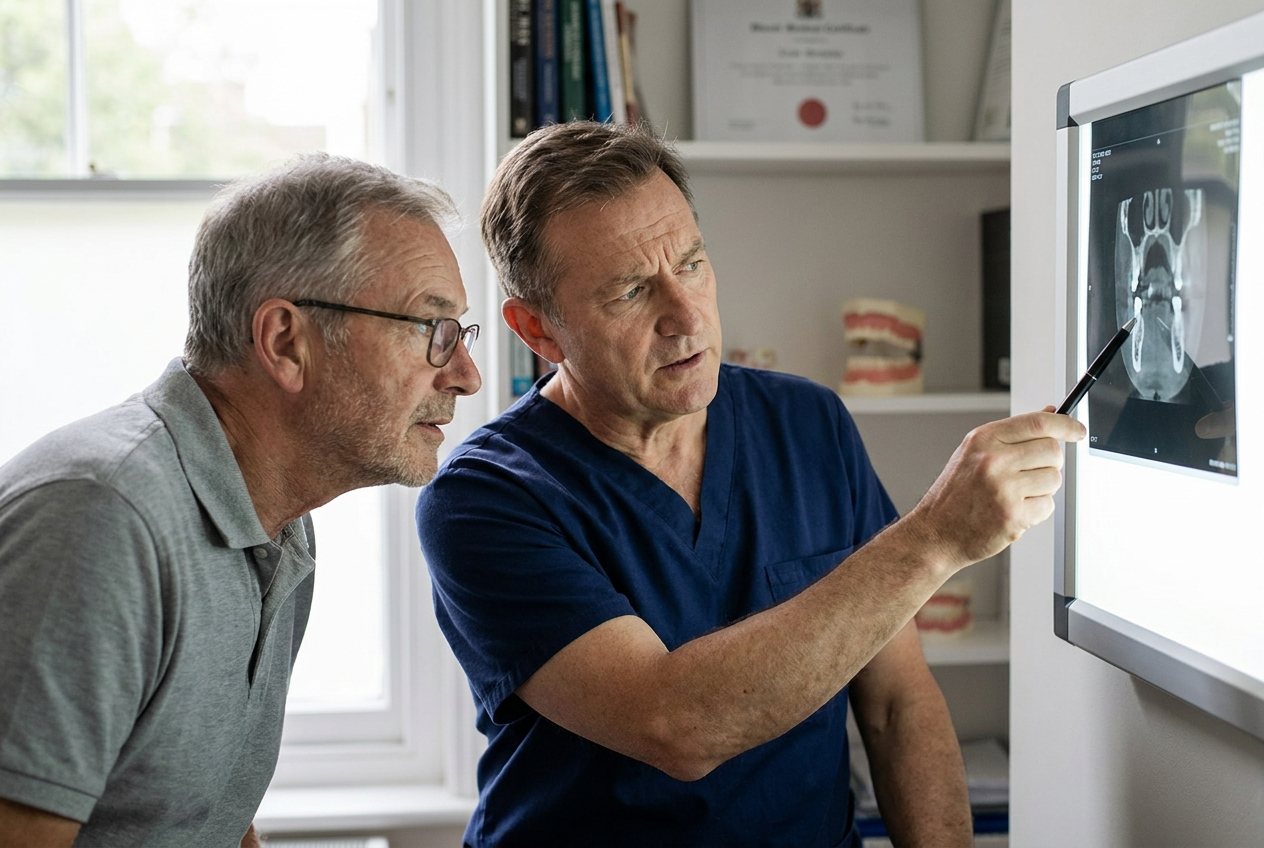
Dr. Payman goes through your goals or symptoms, watches how the muscles move, and reviews your health history. If Botox is not the right tool, she will say so. New to ANEWU? This visit also covers everything in what to expect at your first visit.
The injections themselves
The treatment points are marked, the skin is cleaned, and a series of small injections goes in with a fine needle. Most patients describe it as a quick pinch rather than pain, and the whole thing is over in a few minutes.
Back to your day
There is no recovery period to plan around, so most patients leave and carry on. Paperwork, insurance questions and what to bring are all covered in our new patient information.
How long does Botox last?
Botox results typically last a few months before the treated area needs to be repeated. How long it lasts for you depends on the area treated, how strong and active those muscles are, and your individual response. Jaw muscles are larger than forehead muscles, so the two can wear off at different rates.
If you have ever wondered why the effect fades faster the harder a muscle works, that is the pattern, and it is why a jaw treatment and a forehead treatment are not always on the same schedule.
Comfort, safety and what happens afterward.
Two things patients ask about far more than the injection itself.
What Dr. Payman reviews before treating you
Every treatment at ANEWU is administered by Dr. Arshia Payman, and every treatment starts with your health history rather than a menu. She reviews what you are taking, what you have had done before, and what you are actually hoping to change.
She will also go through standard precautions with you, including that Botox is not used during pregnancy or while nursing. If anything in your history means waiting is the better call, that is the recommendation you will get.
Aftercare and your follow-up
There is no meaningful downtime, so aftercare is short. Anything that applies to your specific treatment is explained before you leave, and our general post-op instructions cover the guidance ANEWU gives across procedures.
A follow-up is scheduled when it is useful rather than by default. Most patients use that visit to confirm the result and set the timing for the next one.
How much does Botox cost in Atlanta?
Botox cost depends on how many areas are treated and how much product each area needs, so ANEWU quotes it at your free consultation rather than online. Cosmetic Botox is not typically covered by dental or medical insurance. CareCredit, Proceed Finance and monthly payment plans are available if they help.
See financing optionsChoosing between Botox, fillers, laser and lip treatments.
Botox works on movement. When the concern is volume, texture or shape instead, a different treatment usually fits better.
Lines that appear only when you move are Botox territory. Hollows and folds that are there at rest are usually a filler question. Uneven tone, sun damage and texture point toward laser skin resurfacing instead.
If you have ever wondered whether you need Botox or something else entirely, bring the concern rather than the treatment name. Shape and definition around the mouth, for instance, is usually a conversation about lip treatments, though a subtle lip flip with Botox is sometimes the lighter answer.
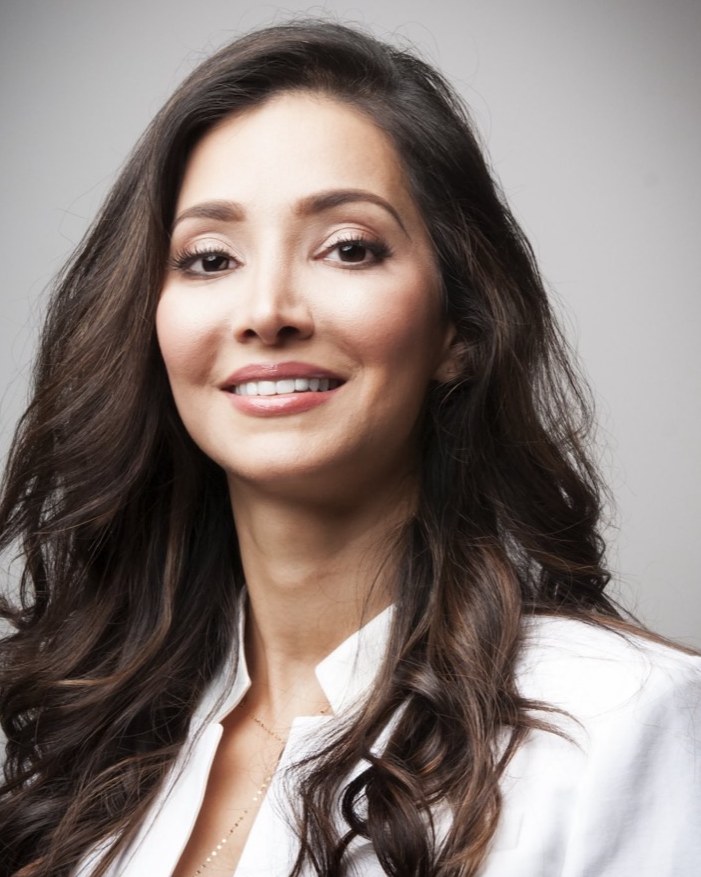
Your treatment is performed by Dr. Arshia Payman, MD.

Dr. Arshia Payman, MD
Dr. Payman leads facial aesthetics at ANEWU, trained at George Washington University and across four Washington D.C. hospitals. She works alongside Dr. Abtin Shahriari, an oral surgeon specializing in implant dentistry, so your surgical and aesthetic goals move together rather than in separate appointments at separate practices.
Last updated September 2026. Meet Dr. PaymanMost patients describe it as a quick pinch. Treatment takes about 15 to 20 minutes in the office, and there is no real downtime, so you can typically return to your day right after.
You may notice softening within a few days, with the full effect visible over the following one to two weeks.
Dr. Arshia Payman, a board-certified physician specializing in aesthetic medicine, administers every treatment and reviews your health history first. She will also discuss standard precautions, such as avoiding treatment during pregnancy or while nursing.
Often, yes. Botox relaxes the muscles that create expression lines, while dermal fillers restore volume, so the two are frequently planned together. Dr. Payman will map out what each one is doing for you, and in what order, at your free consultation.
Talk to Dr. Payman about Botox.
A free consultation is the easiest way to find out whether Botox fits your goals, your symptoms, or both.
Reviewed by Dr. Arshia Payman, MD, who leads facial aesthetics at ANEWU. Last updated September 2026.