







Bone Grafting for Dental Implants in Atlanta, GA
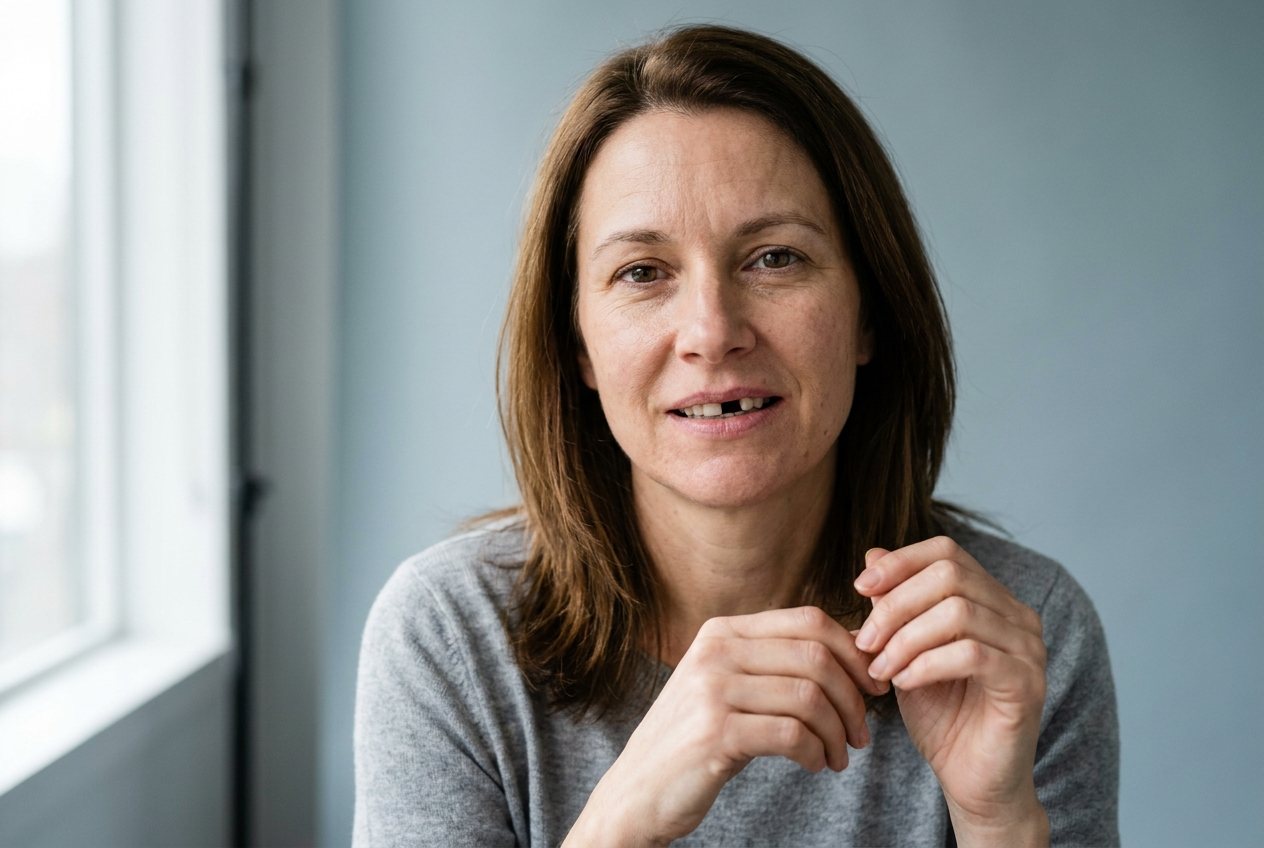
If another office told you that you don't have enough bone for a dental implant, bone grafting is usually what changes that answer. It rebuilds the ridge so an implant has something solid to hold, and for many patients it is the step that makes treatment possible at all.
What is bone grafting, and how does it work?
Bone grafting rebuilds jawbone that has been lost so a dental implant has enough solid bone to anchor in. At ANEWU in Atlanta, graft material, your own bone, donor bone, or a synthetic substitute, is placed at the thin site and left to integrate before the implant goes in.
If you have ever wondered why one surgeon says you are not a candidate and another says you are, this is almost always the reason. The real question is not whether you can have dental implant treatment, it is whether there is enough bone underneath to hold one.
Grafting is a routine, long established step in implant surgery. It is not a separate treatment path so much as the groundwork that makes the rest of the plan possible.
Why does the jaw lose bone after teeth go missing?
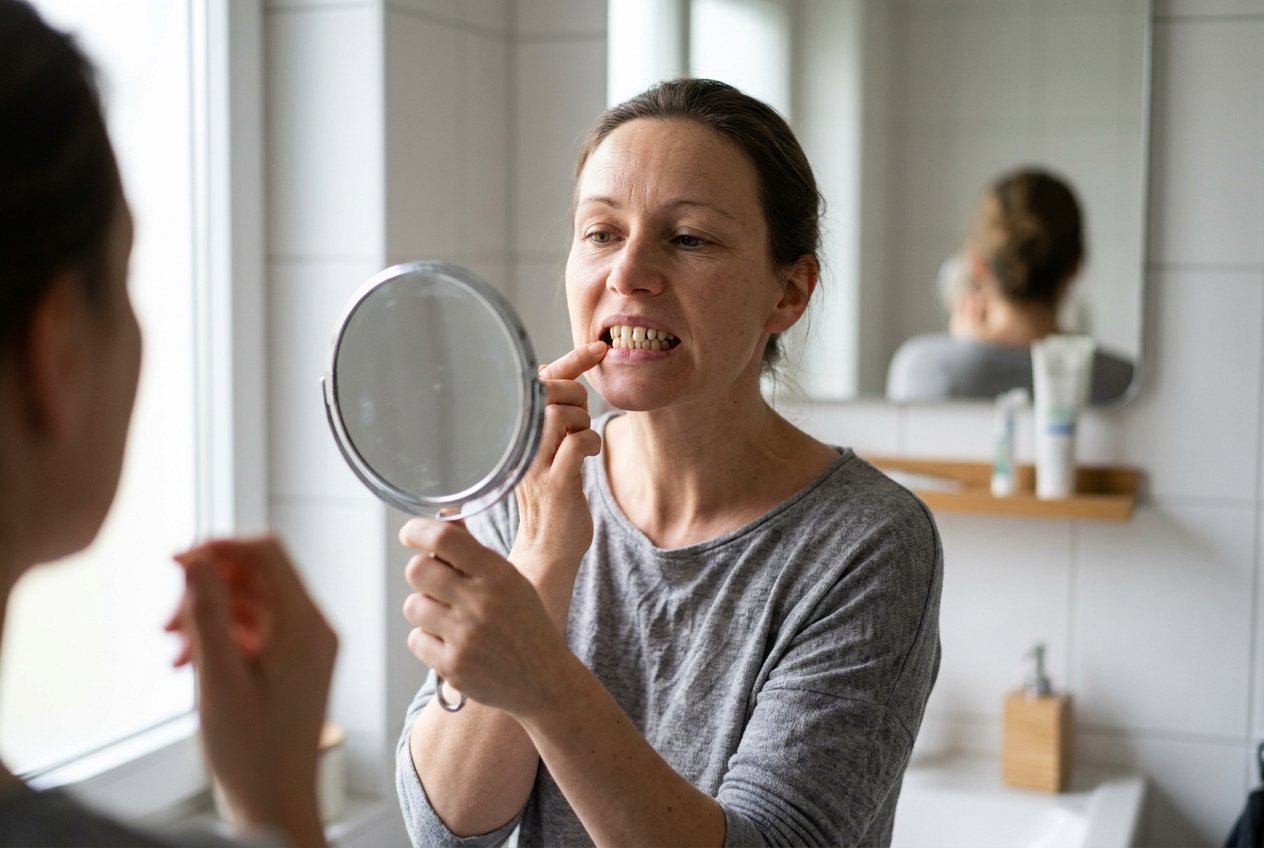
The jaw keeps its height and width because tooth roots load it every time you chew. Once a tooth is gone that stimulus stops and the ridge underneath slowly resorbs. Long term denture wear and gum disease speed the same process, which is why bone is often thin by the time implants come up.
If you have ever wondered why a gap that has been there for years feels different from one that appeared last month, this is it. The upper back jaw loses height fastest, because the sinus sits directly above it and expands downward into the space a molar root used to fill.
That is also why the answer depends on where the bone is missing, not just how much of it is gone. A scan taken at your first visit shows both.
Three kinds of bone graft used before a dental implant
Which one you need depends on where the bone is thin and how much of it is missing. All three are planned from the same 3D scan.
Socket preservation
Graft material placed into the socket at the time a tooth is removed, so the ridge holds its shape while it heals instead of collapsing inward. It is the smallest of the three and often the one that prevents a larger graft later.
Ridge augmentation
Used when a gap has been open long enough that the ridge has already narrowed. Graft material is added along the outside of the jaw to rebuild width, height, or both, over a stretch that can cover one tooth site or several.
Sinus lift
Specific to the upper back jaw, where the sinus floor sits too low for an implant. The sinus membrane is lifted and graft material is placed underneath it, creating the height an implant needs above the back molars.
Not every jaw has the bone volume for a standard implant. The scan decides that, not the calendar.
Am I a candidate for bone grafting?
You are a candidate for bone grafting if a scan shows the ridge is too thin or too short to hold an implant. That includes long standing gaps, years of denture wear, an implant that failed at the site, and upper back teeth where the sinus sits low. Your surgeon will confirm with a 3D scan.
If you have ever wondered whether you are simply out of options, you are probably not. Grafting exists precisely for the cases that were turned away, and it is frequently what puts a full arch on four implants back on the table.
- You've been told you don't have enough bone to support an implant
- You've been missing one or more teeth for an extended period
- You've worn a denture for years and the jawbone underneath has shrunk
- An implant failed previously due to insufficient bone at the site
- You've been told you may need a sinus lift before an upper implant
- You're considering All-On-4, All-On-6 or All-On-X and want to know your bone options first
- A tooth is coming out soon and you want the socket preserved for a future implant
What happens during a bone graft, step by step?
A bone graft takes a single appointment. The site is numbed, with sedation when appropriate, the thin area of ridge is opened, and graft material is placed where bone is missing before the gum is closed over it. You go home the same day with written aftercare instructions.
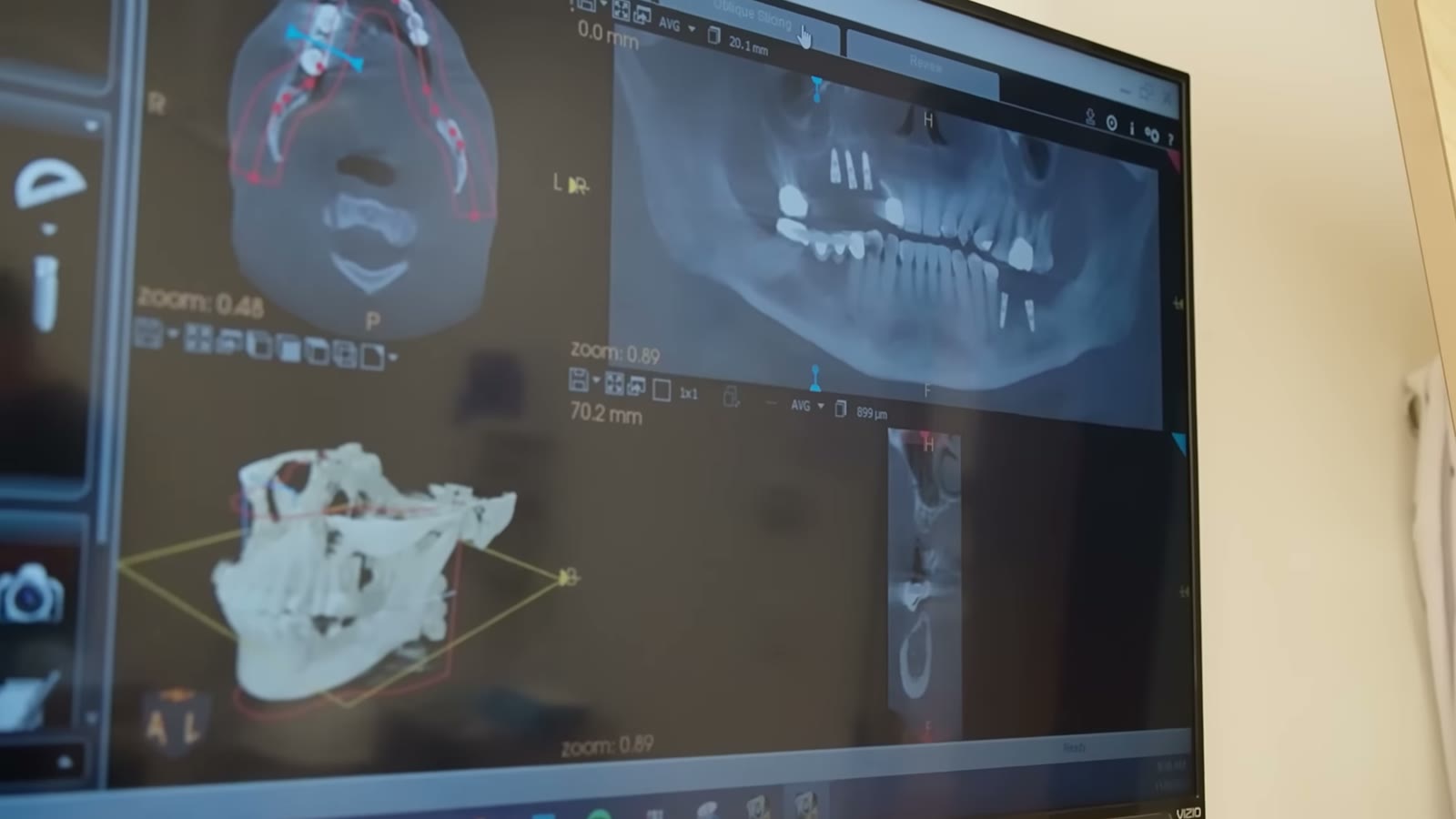
The planning happens before any of that. Position, depth and graft volume are worked out on the scan first, which is the same workflow behind 3D imaging and guided surgery for the implant itself.
- 01
3D imaging assessment
Your jaw is scanned in three dimensions to measure exactly how much bone is present, where it is lacking, and how close the sinus or nerve sits to the site.
- 02
Graft material placed
Depending on your case, Dr. Abtin places your own bone, donor bone, or a synthetic graft material at the site that needs rebuilding, then closes the gum over it.
- 03
Healing and integration
The graft is given time to integrate with your existing bone and harden into a site an implant can hold. Timelines vary by graft size and location.
- 04
Confirmed with a follow-up scan
A new 3D scan confirms the site is ready before implant placement is scheduled. If it is not ready yet, the graft is given more time rather than the implant being forced.
Every graft is planned on your own scan first
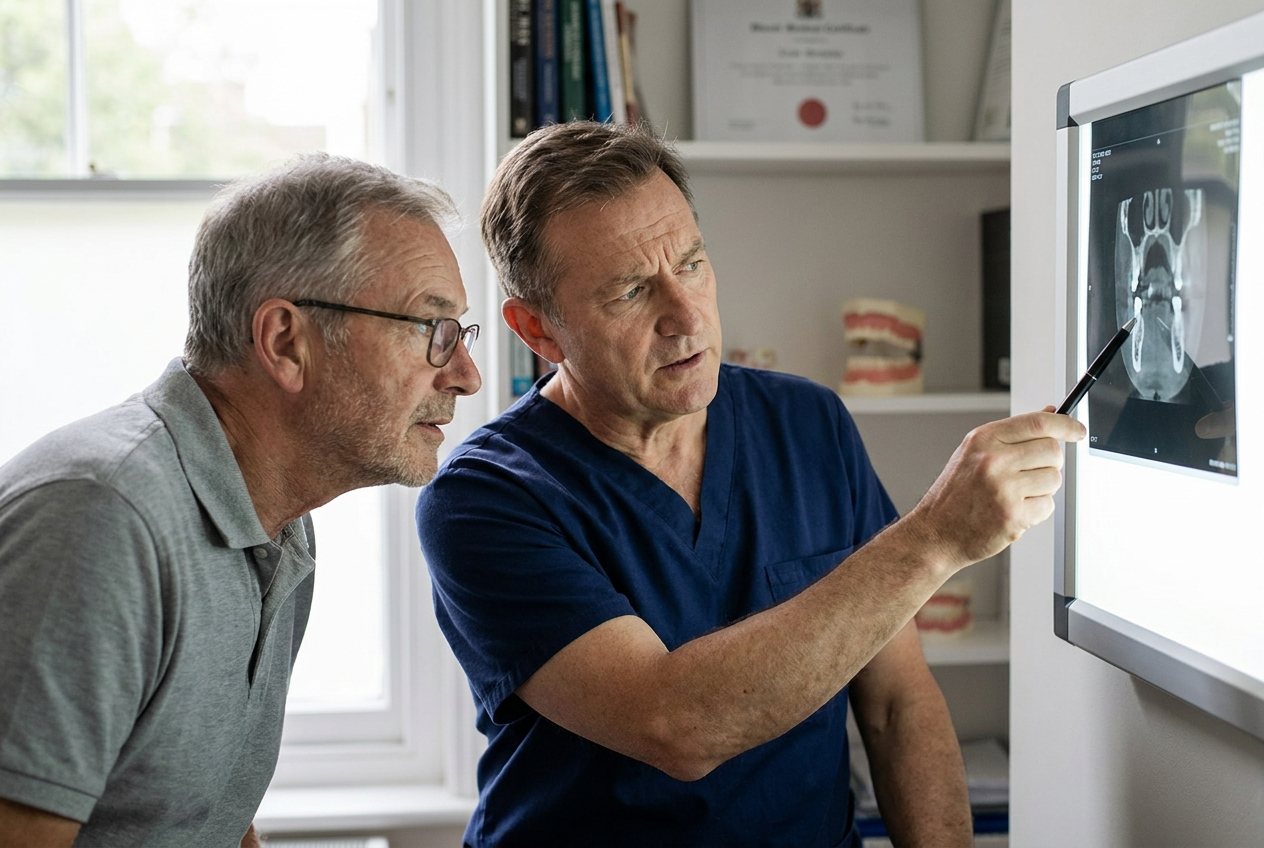
Every graft starts with a 3D scan, not an estimate. Dr. Abtin reviews the exact shape and volume of your jawbone with you on screen, points out where the graft is needed, and explains what has to heal before an implant can go in.
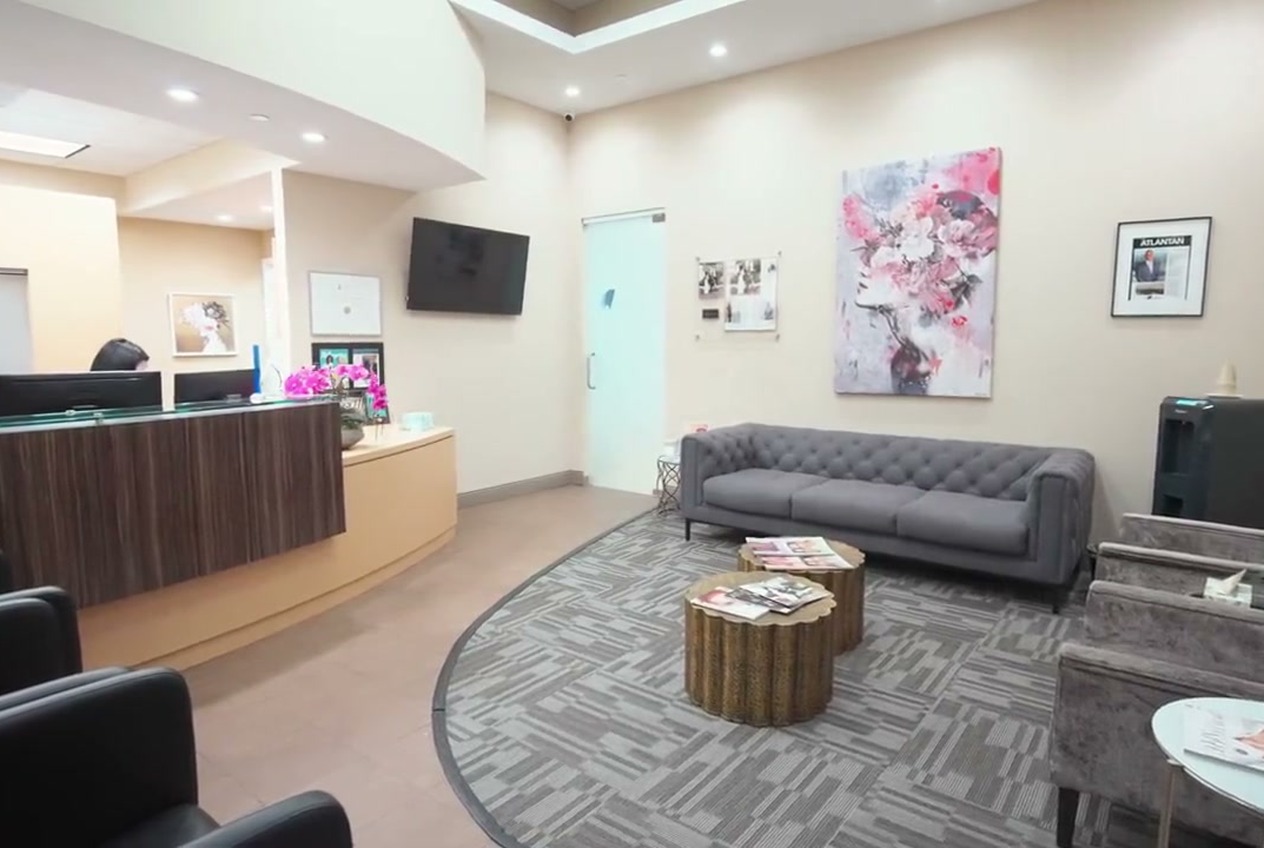
Most of a consultation here is spent listening before any plan is recommended. If you want to see the room and the scanner before you commit to anything, take the office tour first.
How long does a bone graft take to heal?
Healing time depends on the size of the graft and where it sits in the jaw. A small socket graft integrates faster than a full ridge augmentation or a sinus lift. A second 3D scan confirms the site has hardened before an implant is placed, rather than working to a fixed calendar.
What recovery feels like is a separate question from how long integration takes. Soreness settles well before the bone is ready, which is why the scan, not how you feel, decides when the implant is scheduled. The same aftercare guidance lives on our post-op instructions page.
- Swelling and soreness around the site for the first several days
- Soft foods at first, chewing away from the graft while the gum closes
- A follow-up visit to check that the tissue is healing cleanly
- A second 3D scan before the implant appointment is booked
- A larger graft takes longer to integrate than a small socket graft
Bone grafting compared with zygomatic and pterygoid implants
When bone is limited there are two routes. Rebuild the ridge, or place an implant that anchors in denser bone above or behind the jaw.
Bone grafting
- Rebuilds your own jawbone over a healing period
- Keeps future treatment options open
- Usually paired with a standard implant once healed
- Timeline depends on graft size and location
Zygomatic or pterygoid implants
- Anchors in the cheekbone or behind the upper jaw instead
- Can sometimes avoid grafting altogether
- May allow a shorter overall treatment timeline
- Only appropriate for specific anatomy, confirmed with 3D imaging
When upper bone loss is severe, zygomatic implants anchor above the sinus in the cheekbone, bypassing the thin ridge completely.
Where the anatomy suits it better, pterygoid implants use a different anchor point behind the upper jaw. Dr. Abtin will confirm which applies to your anatomy.
How much does bone grafting cost in Atlanta?
Bone grafting cost at ANEWU depends on how much bone is missing, since a single socket graft and a full ridge augmentation are different procedures. Dental insurance typically does not cover implant related grafting. We accept CareCredit and Proceed Finance, plus Visa, MasterCard and Discover, and can arrange a monthly plan.
You get a written figure for your own case at the consultation, after the scan, rather than a range that may not apply to you. Our implant financing options page sets out how CareCredit and Proceed Finance work before you decide anything.
Where is this treatment performed?
Implant surgery is performed at all three ANEWU offices in Georgia. Patients north of Atlanta most often use the Cumming or Dawsonville offices, both just off the GA-400 corridor, while the Buckhead office serves patients inside the perimeter. Records move between offices, so follow up can happen at whichever address is closer.
Bone grafting, answered.
Straightforward answers to the questions we hear most at a consultation.
Ask us directlyBone grafting is performed with local anesthesia and, when appropriate, sedation, so you shouldn't feel the procedure itself. Some soreness and swelling afterward is normal, and Dr. Abtin will give you clear instructions to manage it.
Sometimes, for smaller grafts. Larger grafts usually need to heal first so the implant has a solid foundation. Dr. Abtin will tell you plainly what timeline makes sense for your anatomy.
Depending on where the bone loss is, zygomatic or pterygoid implants may anchor in a different part of the jaw or skull entirely, sometimes avoiding grafting. Your consultation will cover whether that's an option for you.
Dental insurance typically doesn't cover implant-related bone grafting. We accept CareCredit and Proceed Finance, can arrange monthly payment plans, and our team will help you understand your specific coverage.
The surgeon who performs your bone graft

Dr. Abtin Shahriari, DMD, MPH
Every bone graft and implant at ANEWU is performed by Dr. Abtin Shahriari, who has performed thousands of surgeries, from grafting and dental implants to complex facial reconstruction, and completed 8 years of specialty training including the University of Pennsylvania and Emory University.
Meet Dr. AbtinWhere to go next when bone is limited
Results vary from patient to patient. Not every jaw can be rebuilt to the volume a standard implant needs, and your surgeon will say so plainly if that is the case.
Reviewed by Dr. Abtin Shahriari, oral surgeon specializing in implant dentistry. Last updated September 2026.
Find out what your bone will support.
A free consultation with 3D imaging tells you exactly where you stand, and whether grafting, zygomatic or pterygoid implants make the most sense for you.